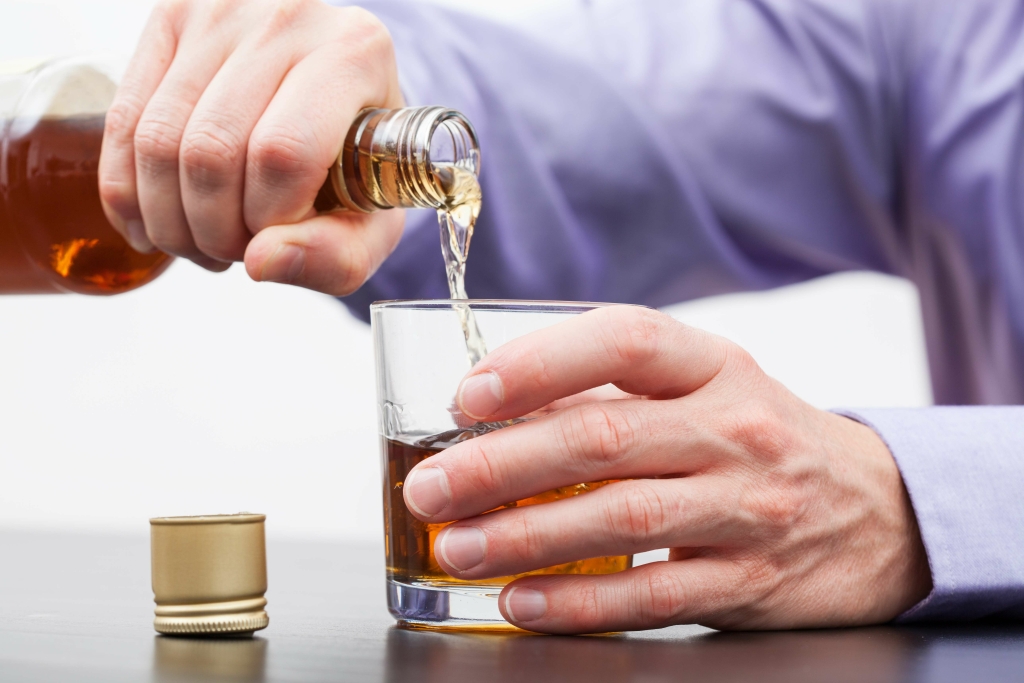
For example, heavy drinking may disrupt the body’s insulin function, leading to insulin resistance and potentially causing blood sugar imbalances. The impact of alcohol on fat gain is influenced by drinking habits and overall calorie intake. While occasional drinking may not significantly affect progress toward weight goals, habitual alcohol consumption can hinder weight loss efforts. Additionally, alcohol can affect muscle growth and sleep quality, which are important factors in weight management. It is worth considering reducing alcohol intake if it aligns with personal Sober living house goals and improving overall health. Moreover, whether a dieter should be able to manage moderate alcohol consumption depends on its contribution to their daily calorie intake.

It Messes With Your Organs And Metabolism
NIMH news about anxiety disorders, including press releases and highlights on the latest research findings. Updates about mental health topics, including NIMH news, upcoming events, mental disorders, funding opportunities, and research. Learn about NIMH priority areas for research and funding that have the potential to improve mental health care over the short, medium, and long term. Alcoholic beverages have “empty” calories, meaning they are high in calories and low in nutrients. Heavy alcohol use is one of the leading factors in the development of obesity and chronic diseases.
Thus, when one consumes alcohol, it is burned first, and the excess glucose and lipids are stored as fat. This can also lead to a condition called alcoholic fatty liver, which damages the liver and affects the way the body metabolises and stores carbohydrates and fats. Alcohol is high in calories and can contribute to weight gain, especially in the abdominal region.
More in The effects of alcohol on your body
Aside from the immediate influence on appetite that comes from alcohol consumption, there are also effects on energy storage. Alcohol inhibits fat oxidation, suggesting that frequent alcohol consumption could lead to fat sparing, and thus higher body fat in the long term 62. However, the results of the various cross-sectional and longitudinal studies examined in this review does alcohol make you gain weight do not unequivocally support such a hypothesis.
How Alcohol Raises Cortisol And Leads To Weight Gain?
In general, all levels of alcohol intake can affect digestion and absorption of nutrients. Most of us are probably aware that we prefer stodgy foods after drinking and are less inclined to be active the next day, but it can be pretty surprising when the numbers are added up. This refers to the amount of alcohol it takes for your inhibitions to be significantly lowered such that your energy intake substantially increases over the following 48 hours. You may or may not be surprised to hear that alcohol consumption can significantly affect your weight, but not necessarily in the way you might think. Excessive drinking could cause an individual to develop more of an “apple” body shape, where a higher level of body fat is distributed in the abdominal region.
Exploring the Raw Milk Controversy: Risks and Benefits
Alcohol fits this category well, as each gram of pure alcohol contains about 7 calories, which is almost as much as fat (9 calories per gram) but without any nutritional value. For example, Simon says that alcohol can affect levels of reproductive hormones like testosterone and estrogen. “If somebody is getting hungover the next day, the chances of them waking up and having a healthy lifestyle are slim,” Simon says. Alcohol is known to lower inhibitions, impairing the logical decision-making sections of your brain like the prefrontal cortex. Learn how it works, effectiveness vs. injections, side effects, cost, and dosing schedule. Kathleen earned her Master’s of Science in Nursing from Austin Peay State University in Tennessee.

Alcohol Intake and Obesity: Observational Evidence
- So, Chaturvedi mentioned that wine might be the healthiest option amongst the options available.
- They often drink rather than eat, believing that alcohol consumption will suppress their appetite.
- If you are careful about your choices of alcoholic beverage, you can figuratively, have your cake and eat it too.
- Thus, accounting for both sides of the energy balance equation (intake, expenditure and lifestyle habits) is crucial to evaluate adequately the association between alcohol intake and obesity.
Over time, regular alcohol intake not only raises the risk of insulin resistance but also contributes to weight gain. Regularly drinking alcohol, especially in excess, can worsen these conditions, leading to weight gain and further complicating the body’s ability to regulate fat and sugar metabolism. Furthermore, alcohol can affect serotonin levels in the brain, which play a crucial role in regulating mood, appetite, and sleep. Chronic stress, which can be induced by heavy drinking and the disruption of hormones like cortisol, can also impact hormone production and regulation.
Ethanol, the alcohol in drinks, provides about 7 calories per gram, nearly as much as a gram of fat (9 calories per gram). These “empty calories” offer little to no nutritional value, unlike calories from food that also provide vitamins, minerals, or fiber. Consuming even a few drinks can significantly add to one’s daily caloric intake, with some outings potentially adding 500 calories or more.
People may opt for high-fat, high-salt, or sugary foods when drinking, and may consume larger portions. This combination of increased hunger and reduced self-control can lead to significant additional calorie intake. Beyond its direct metabolic effects, alcohol influences appetite and food choices. It stimulates hunger and interferes with hunger-regulating hormones like leptin and ghrelin. Leptin signals fullness, while ghrelin signals hunger; alcohol can disrupt their balance, leading to increased hunger even after sufficient calorie intake. This hormonal disruption can make individuals more prone to overeating.
Factors that may Explain the Conflicting Findings between Alcohol Intake and body Weight
- The following points offer more information into the broader lifestyle and psychological effects of alcohol that contribute to changes in weight.
- The volunteers ate the same amount of food each time; the effect of ingesting calories in the alcohol beverage had no effect on how much they ate subsequently.
This process, known as lipogenesis, creates lipids (fat) from acetyl-CoA. Excess acetyl-CoA can also be converted into ketone bodies, which serve as an alternative fuel source when glucose levels are low. But does drinking alcohol make you https://ecosoberhouse.com/ more likely to put on weight around your middle, how dangerous is it, and how can you shift it? NIMH conducts and funds research to examine environmental and genetic factors that contribute to anxiety disorders. These include studies comparing brain development and biology among people with and without anxiety disorders.
There have also been recent studies that have found a general positive association between alcohol intake and weight gain 42. This study, however, did not control for PA levels and only assessed alcohol intake on a yes/no scale 42. If you’re looking to lose weight, you may not need to cut out alcohol completely. But cutting back on your alcohol intake can have plenty of health benefits either way. And from what we know, it won’t exactly hurt your weight loss journey.
In this case both diets were isoenergetic so this is not a surprising result, as the thermic effect of food was likely higher for white wine than grape juice 53, 54. Finally, more recently, Cresci et al. 55 found that self-reported alcohol intake was not a significant predictor of success or failure in losing 5% of body weight during a 6-month weight loss intervention. The question of whether alcohol contributes to weight gain is a common concern for many, as it intersects with both dietary habits and lifestyle choices. Alcohol is high in calories, with a gram providing nearly twice as many calories as protein or carbohydrates, and its consumption can lead to increased overall calorie intake.